

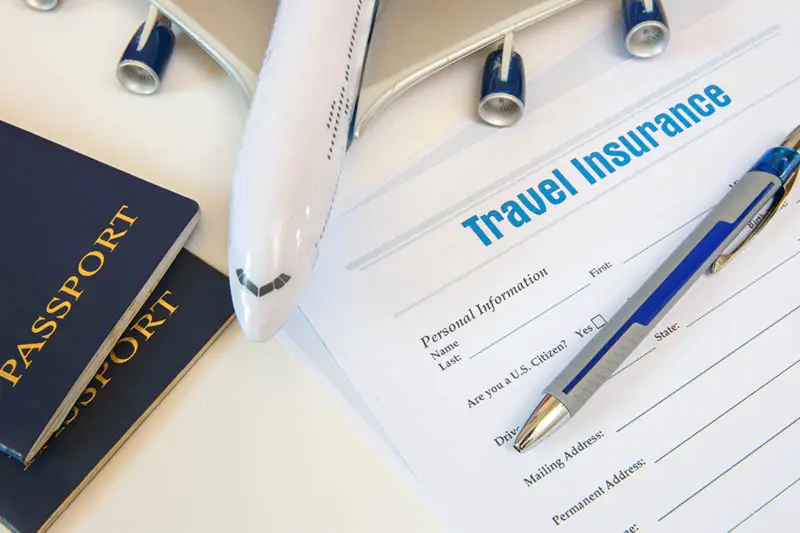
Travel Insurance – Why It Matters
My husband and I, while in our 70’s still participate in “extreme” sports while abroad. We ski, we participate in competitive senior soccer games, we snorkel, and I in particular cannot say no to a banana boat or a good wave for body surfing.
Recently, while we were waiting to check into our timeshare in Puerto Vallarta, Mexico, we noticed two women who seemed to be in great distress near the elevators. Over the next few days, we saw them often — always anxious, always on edge. One afternoon, we happened to share the elevator with them, and I gently asked how their vacation was going.
The older woman sighed and said quietly, “It’s been horrible.”
She explained that her husband had collapsed on their first day in Mexico and had been rushed to a local hospital. He was too ill to be moved. Tragically, after several weeks, he passed away there.
The women were mother and daughter. The daughter had flown down to help, but the challenges they faced went far beyond heartbreak. Her parents hadn’t purchased travel insurance, and their U.S. health coverage didn’t extend to international care. The hospital bills alone were overwhelming, and the cost to return her husband’s remains home was even more staggering.
That was the day we truly learned what travel insurance is for.
Up until then, my husband and I — both in our late 60s at the time — had always purchased individual basic trip insurance for missed flights, cruise delays, or lost luggage. But we had never thought about the medical side of things. What if one of us got seriously ill abroad? What if something worse happened?
Since that day, we’ve never traveled without comprehensive travel insurance.
There are many options out there — from individual trip policies to annual plans that cover all your travels within a year. When choosing coverage, think about how often you travel, where you go, and what level of medical and evacuation coverage makes sense for you.
It’s one of those things you hope you’ll never need — but if you do, you’ll be grateful beyond words that you planned ahead.
Travel Insurance Resources & Tips
1. Compare Plans Before You Buy
Websites like InsureMyTrip, Squaremouth, and TravelInsurance.com make it easy to compare multiple providers and coverage options side by side.
2. Look for Key Coverages
- Emergency Medical & Evacuation: Covers unexpected illness or injury abroad and transport to a qualified hospital.
- Trip Interruption & Cancellation: Reimburses you if you must cancel or cut your trip short due to illness, weather, or emergencies.
- Lost or Delayed Luggage: Helps cover essential items or replacements.
- Repatriation of Remains: An uncomfortable topic, but essential for peace of mind.
3. Consider an Annual Plan
If you travel more than a few times a year, an annual multi-trip plan can save money and simplify planning. Often annual plans cover you when you travel more than 300 miles from home.
4. Know Your Medicare or Health Plan Limits Most U.S. health insurance — including Medicare — does not cover medical expenses outside the country. Always confirm before you go.
5. Bring Your Policy Information
Keep a copy of your insurance card and emergency contact numbers with your passport and share them with your travel companions.
My husband and I have used the following companies: World Nomad (they cover our sports), Allianz, Seven Corners, and occasionally whatever vacation package we bought includes. Do your homework to find the best policy for your travel.
Valuable Resource: The Center for Disease Control has one of the best explanations for Travel Insurance as well as comprehensive information on specific medical issues. https://wwwnc.cdc.gov/travel/page/insurance